In many construction projects, there is a common ambition from the start; namely, to get started quickly.
But in practice, this often means that construction begins before the planning is completely finished. Drawings are not finally agreed upon, details are missing, and the schedule is at best an optimistic estimate. This is not necessarily a mistake, but it has become part of the culture.
Time pressure is built into the projects
From the client to the contractor, there is constant pressure for progress:
Projects must be delivered quickly
Capital is tied up in the construction
All parties involved are pressed for time
This means that schedules are often based on a "best case" scenario. But it doesn't take much for reality to lag behind.
Building on an incomplete foundation
When projects start early, complexity is shifted from the planning phase to execution.
This means:
More changes along the way
More clarifications needed on the construction site
Greater need for real-time coordination
This does not HTML-wise make the projects worse – but it places much higher demands on execution.
Different approaches and different results
In some countries, a different approach is used, where more time is spent on design before work begins. This may seem slower. But the question is whether it ultimately leads to fewer deviations, reduces conflicts, and creates a better financial outcome?
There is probably no single correct answer – but the difference in approach is worth noting.
Culture affects quality
When projects start under time pressure, it also affects collaboration. It can create more grey areas in agreements, a greater focus on extra work, and in the worst case, conflicts between parties.
This is where people sometimes talk about projects shifting from collaboration to "trench warfare." Not because anyone wants it – but because the framework forces it.
Execution becomes more important than planning
When you accept that the plan is not finished from the start, the success criterion also changes. It is no longer just about planning correctly, but rather more about managing changes professionally, collaborating effectively, and keeping momentum even when things change.
In other words: The ability to execute becomes more important than the ability to predict.
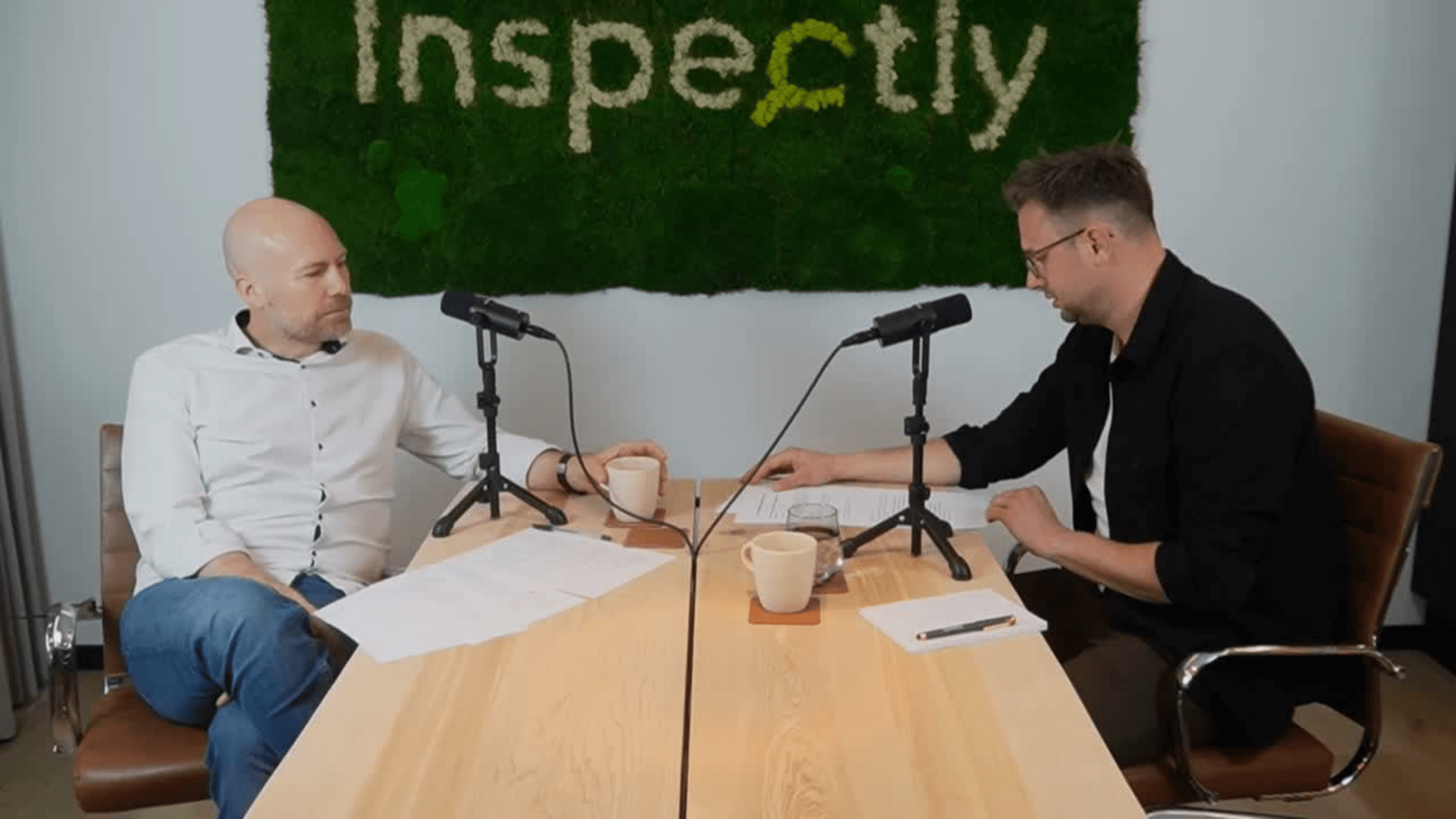
In Kvalitetsklubben episode 20, Torben and Jesper dive into this exact issue. Here, they focus on the challenges and opportunities in construction projects where planning meets reality. They touch upon how to handle unforeseen events, communication, and risk in the construction industry.
👉 Listen to the episode here: https://open.spotify.com/episode/795x5av2TSDGK8GxJTWcCQ?si=qtCSDvAVSqW9m4Spc0nXJA


