Large construction projects quickly become everyday life. Schedules, coordination, quality assurance, and documentation often take up so much of the daily routine that you almost forget the actual scale of what the industry is actually creating.
But sometimes milestones occur that remind us of this. This happened recently at the Fehmarn Belt connection, where the first tunnel elements were lowered onto the seabed between Denmark and Germany.
A project that many have almost forgotten
The Fehmarn Belt project has been underway for years. Precisely for this reason, it has also become a project that many have almost forgotten exists in their daily lives. But when you stop and look at what is actually happening down there, the perspective becomes clear:
It is engineering and construction projects on a scale that very few industries can match.
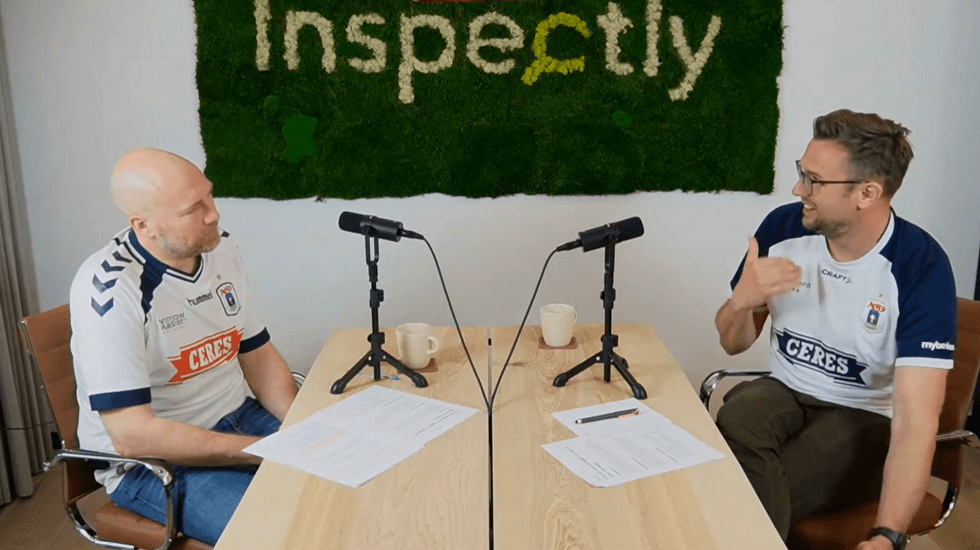
As described in the Kvalitetsklubben podcast:
"Sometimes you can completely forget how wild it actually is, what you are running around doing out on the construction sites."
The construction industry pushes boundaries
Large projects like the Fehmarn Belt connection show something central about the construction industry: It physically pushes boundaries. It is not just about buildings and concrete, but about:
infrastructure
connections between countries
and projects that shape societies for generations
At the same time, these are projects that require extreme precision, coordination, and quality assurance.
An industry with enormous ambitions
The Fehmarn Belt connection is far from the only example. Around the industry, work is being done every day on projects that:
require high technical skill
advanced planning
and thousands of coordinated processes
It is easy to forget in daily life, but worth stopping to acknowledge.
Listen to Kvalitetsklubben about AI in the construction industry
In Kvalitetsklubben episode 21, Torben and Jesper dive into how AI can be used very concretely in the construction industry – not as future talk, but as practical tools in everyday life. Among other things, they discuss how AI can help navigate large amounts of documentation, identify patterns in projects, support quality assurance, and make complex quality control plans easier to work with. At the same time, they discuss how the construction industry already possesses massive amounts of data that could become the foundation for smarter and more proactive workflows in the future.
👉 Listen to the episode here: https://open.spotify.com/episode/7naZbumq0KHgtzSTZ8Fw9o?si=iTdn-o97Tg2TbuHHOTnOLw


